

The question most buyers start with is the wrong one. "Portable or traditional?" frames this as a binary choice between convenience and quality — as if every portable sauna is a zip-up tent with a steam generator, and every traditional sauna is a $15,000 cedar cabin requiring a structural renovation.
That framing is outdated. The Kyfe Portable Sauna Tent is a wood-fired sauna that reaches 200°F in under 30 minutes, sets up in 15 minutes anywhere outdoors, and delivers the same traditional Finnish heat experience that the health research is based on — in a format that packs into a travel bag.
So the real question isn't portable vs. traditional. It's which format delivers the heat quality, frequency of use, and long-term value that justify the investment. This comparison answers that directly.
What "Traditional Sauna" Actually Means
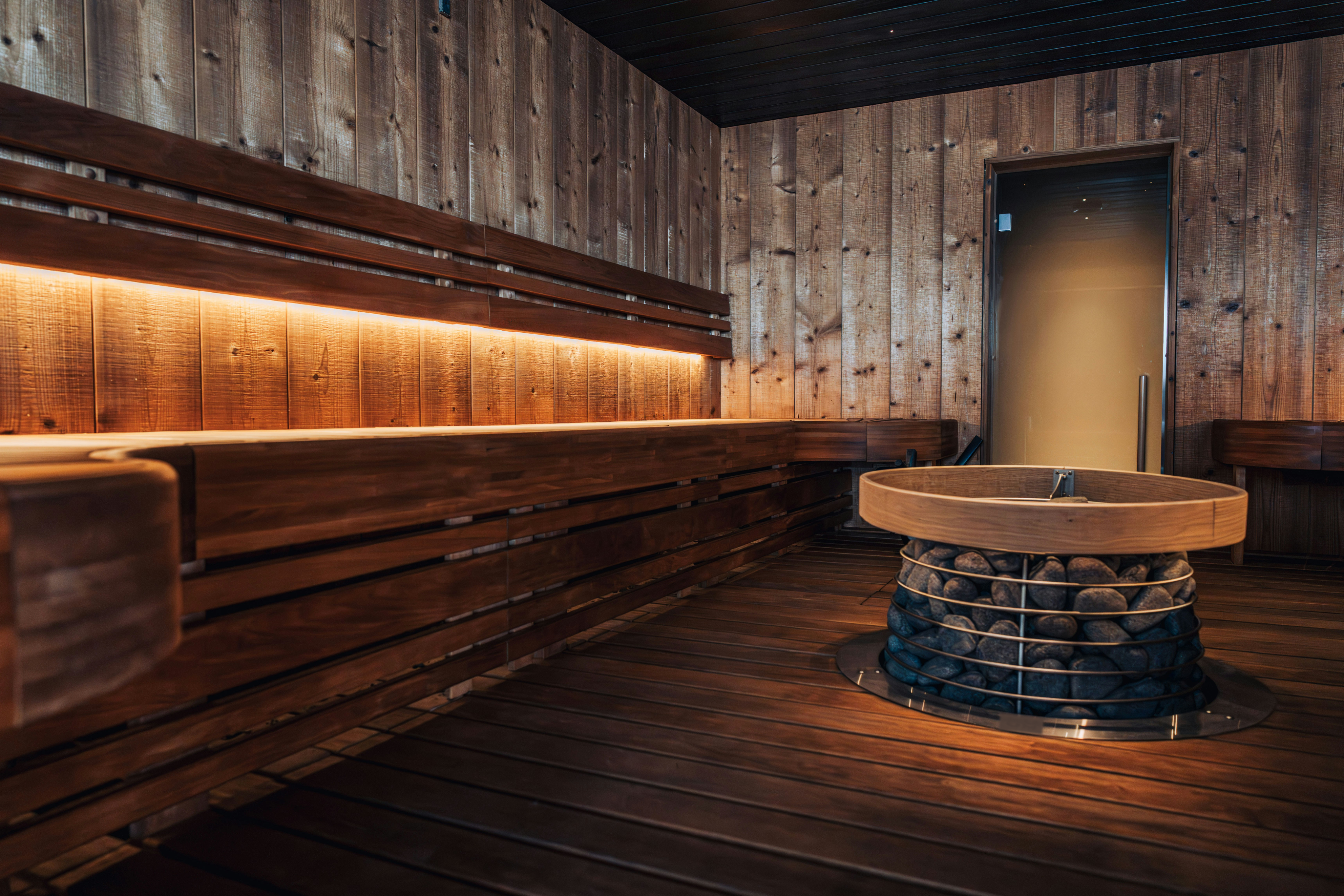
The term traditional sauna gets applied loosely. In its original and most researched form, a traditional sauna is a wood-fired, high-heat enclosure — typically built from cedar or spruce — with a wood-burning stove and a large mass of sauna rocks. Water is poured over the rocks to create löyly, the burst of steam that defines the Finnish sauna experience. Sessions run at 160–200°F. The experience is intense, immersive, and deeply physical.
What most people mean when they say "traditional sauna" in 2026 is a permanent installation — a built-in cedar cabin in a basement, garage, or backyard structure, heated by an electric or wood-burning stove. These are high-quality products. They're also significant construction projects with significant price tags.
The health research — the Finnish longitudinal studies linking sauna use to cardiovascular health, longevity, and cognitive protection — was conducted in wood-fired traditional saunas. That distinction matters when you're evaluating which format actually delivers the outcomes you're investing in. You can read more about what that research specifically documented in our post on whether saunas help you live longer.
What "Portable Sauna" Actually Means
This is where the category gets misrepresented. Most portable sauna articles focus on three formats: infrared blankets, steam tents, and infrared pods. These are valid products for specific use cases — but they are not the only portable sauna format available, and they are not the format most relevant to a buyer who wants traditional sauna performance without a permanent installation.
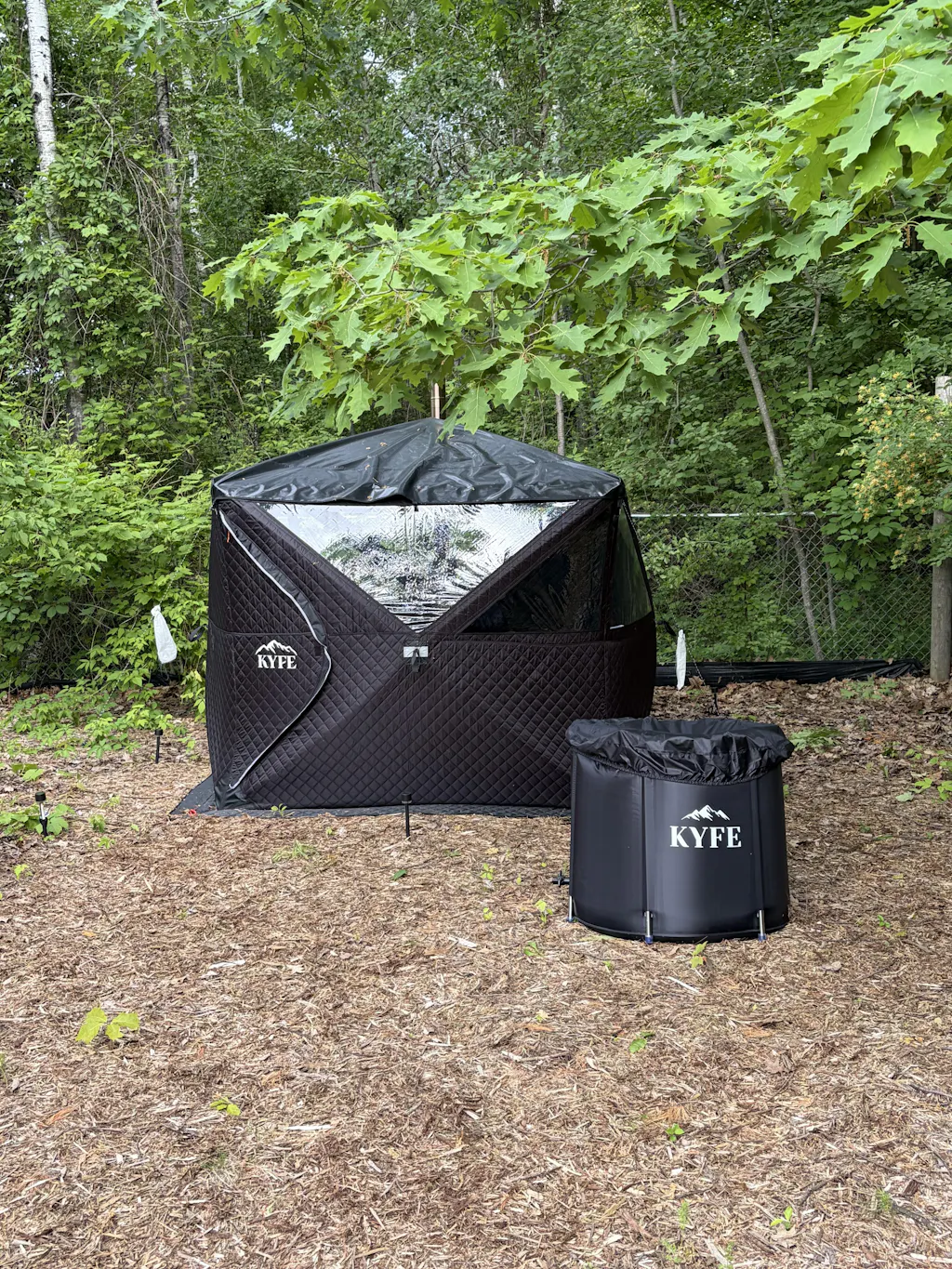
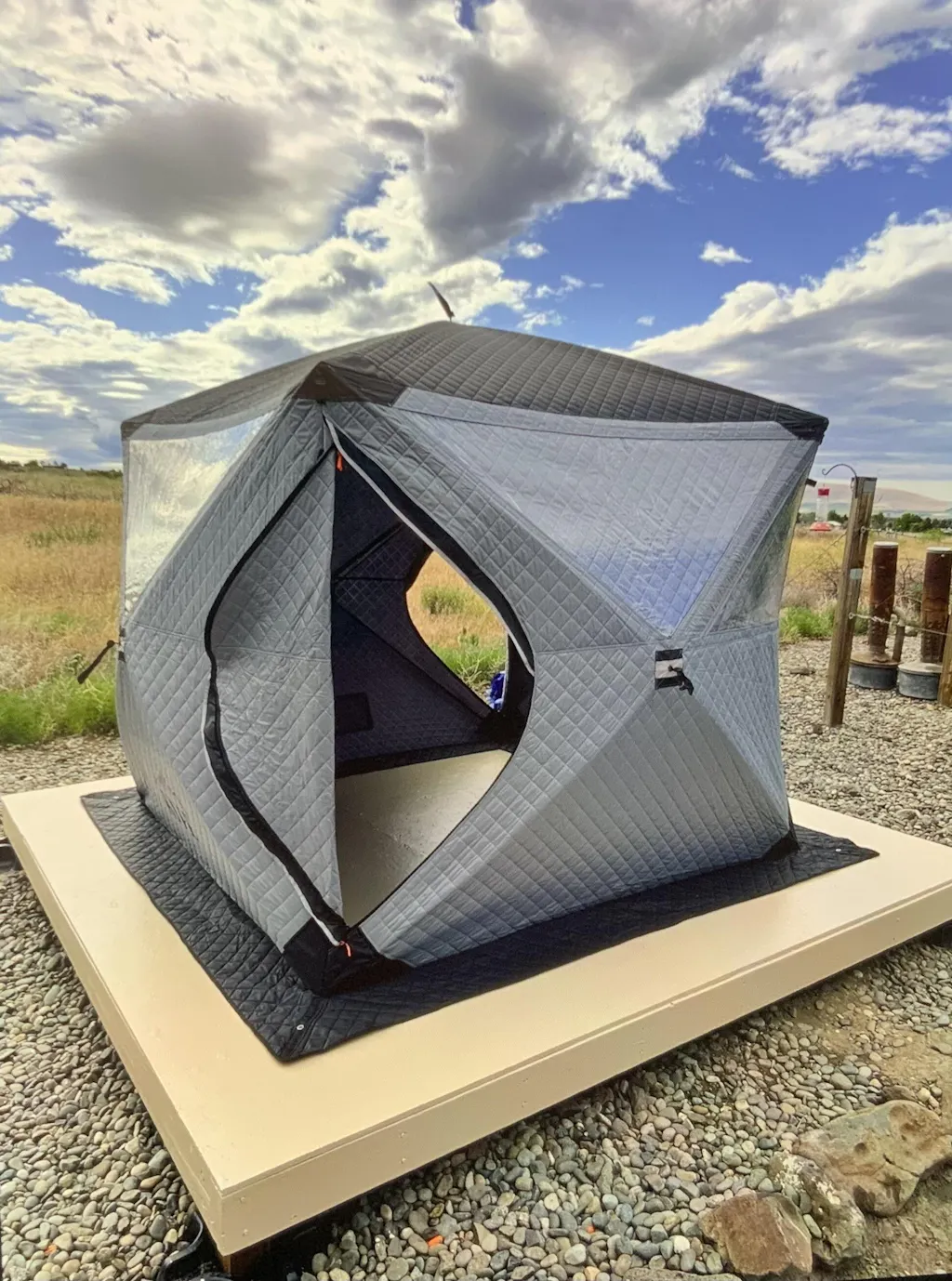
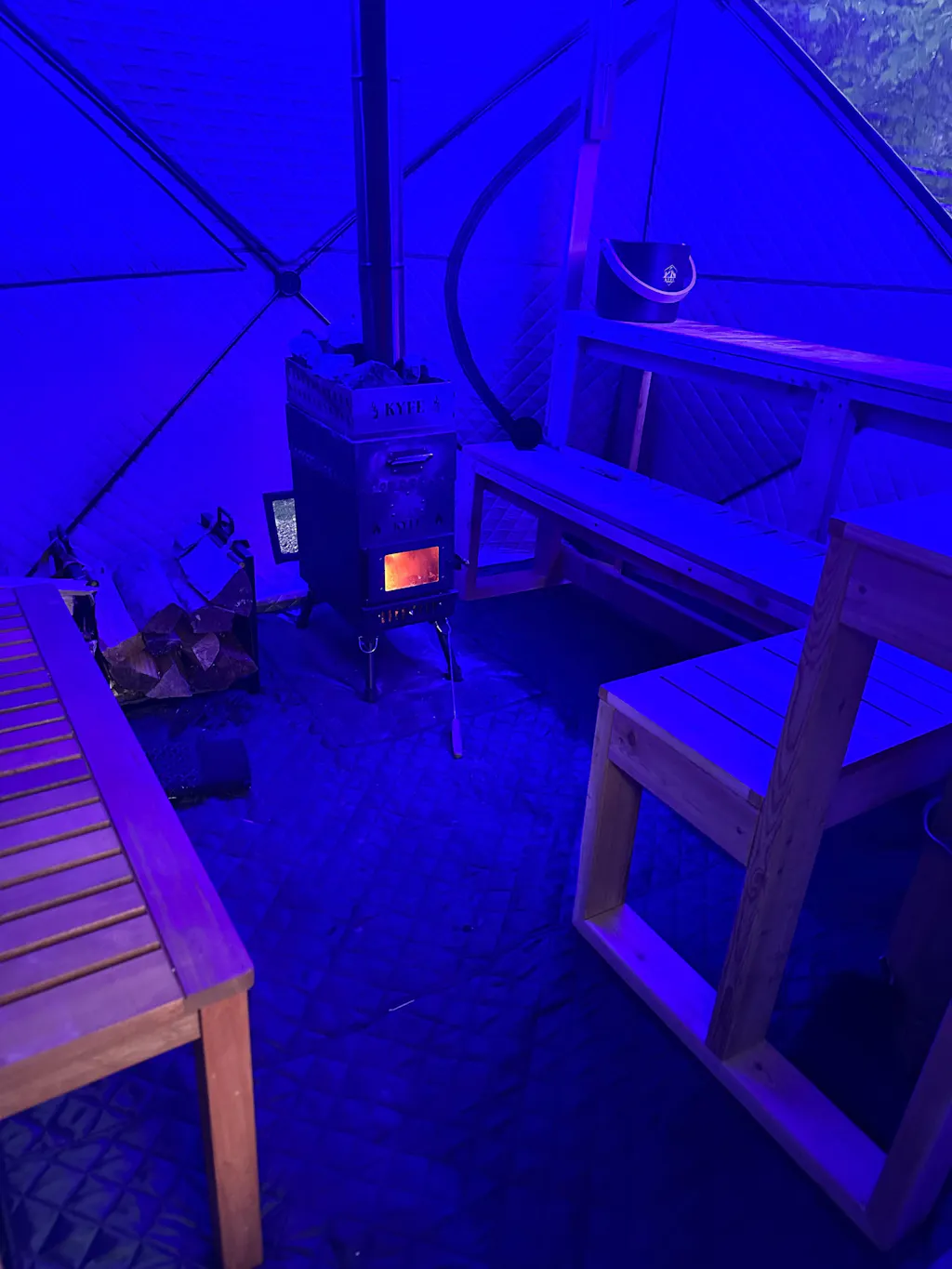
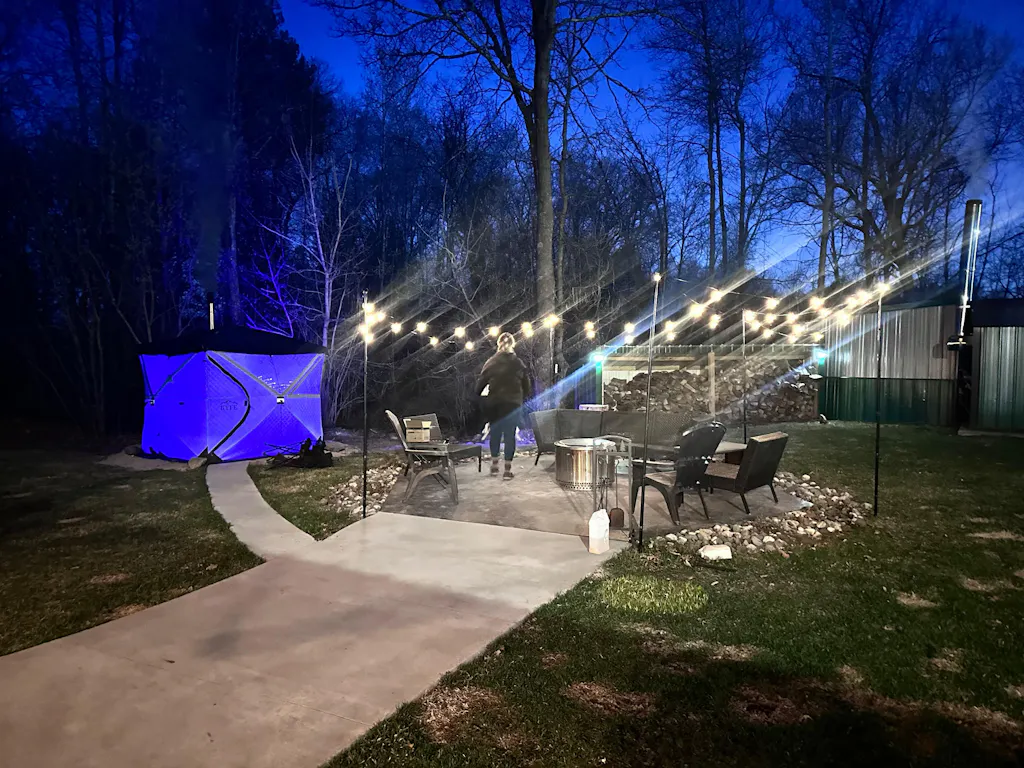
The fourth format — and the one most comparison articles ignore — is the wood-fired portable sauna tent. This is the format the Kyfe represents: a full-size insulated sauna tent paired with a wood-burning stove and real sauna rocks, capable of reaching 200°F, producing authentic löyly, and delivering the same physiological experience as a built-in traditional sauna — in a unit that sets up in 15 minutes and requires no electricity, no installation, and no dedicated space.
Understanding that this format exists changes the entire comparison. The choice is no longer between a compromise option and a premium option. It's between a portable traditional sauna and a permanent one.
Here's a quick breakdown of all portable formats for context:
Infrared blankets: $200–$700. Lie-flat, individual use, temperatures around 120–150°F. Convenient for recovery and relaxation. Not a traditional sauna experience.
Steam tents: $150–$500. Zip-up fabric enclosures with electric steam generators. Affordable entry point. Temperature ceiling is low — typically 113–130°F.
Infrared pods and cabins: $1,500–$4,000. Higher quality, better heat output, some reaching 185°F. Still infrared, not wood-fired.
Wood-fired sauna tents: $1,499. Full traditional Finnish heat to 200°F. Real sauna rocks. Authentic löyly. No electricity. Goes anywhere.
Heat Quality: The Variable That Determines Everything Else
For a buyer making a serious investment in home sauna use, heat quality is the most important variable — not portability, not price, not convenience. Heat quality determines the physiological response, the quality of the experience, and whether the outcomes you're investing in are actually accessible.
Traditional built-in saunas — when wood-fired — deliver deep, radiant heat through thermal mass. The stove heats a large volume of rock, which stores and radiates that energy throughout the session. The heat is enveloping, alive, and qualitatively different from coil-generated or infrared heat at the same temperature reading. This is the format the cardiovascular and longevity research is based on.
The Kyfe delivers this same heat quality in portable format. A wood-burning stove heats 35 pounds of real sauna rocks to produce the same thermal mass experience as a built-in traditional sauna. The heat doesn't feel like a hot room — it feels like being surrounded by warmth that penetrates rather than radiates from the outside in.
Most portable saunas — infrared blankets, steam tents, electric pods — don't match this. They offer heat exposure at lower temperatures through different mechanisms. Useful for certain goals. Not the same experience or the same physiological stimulus.
If heat quality is the standard, the Kyfe sits alongside traditional built-in saunas — not alongside infrared portables. That's the comparison that matters for buyers who are serious about the investment. Learn more about what heat quality actually does to the body in our breakdown of how sauna affects metabolism.
Installation and Total Cost of Ownership
This is the category where the comparison between portable and traditional becomes most consequential for most buyers.
A traditional built-in sauna — electric, quality construction, appropriate size for home use — runs $3,000–$8,000 for the unit. Installation adds $500–$1,200 for electrical work on a dedicated 240V circuit. In older homes, panel upgrades add $1,500–$3,000. Permits and inspections are required in most jurisdictions. Professional installation of the structure itself adds further cost. Total investment before a single session regularly lands at $5,000–$15,000 depending on size, materials, and construction requirements.
A wood-fired built-in sauna involves similar or higher structural costs plus chimney installation and site preparation.
The Kyfe ships complete — stove, rocks, gloves, thermometer, travel bag, and a free cold plunge — for $1,499. No electrician. No permit for a portable structure in most jurisdictions. No dedicated circuit. No installation timeline. It arrives in 1–2 days and is operational the same afternoon.
Over five years of regular use, the running cost difference also compounds. Electric saunas cost $1.50–$3.00 per session at average U.S. electricity rates. Four sessions per week over five years adds $1,560–$3,120 in electricity. The Kyfe runs on wood — effectively zero running cost if you have access to firewood, and well under $5 per session if purchasing.
For the buyer who wants traditional sauna heat at home, the all-in cost comparison is not close. The Kyfe delivers the same core experience at a fraction of the permanent installation price, with no infrastructure cost and no ongoing electricity bill.
Frequency of Use: The Variable the Research Rewards
The Finnish longitudinal research on sauna health outcomes doesn't just show that sauna is beneficial. It shows that frequency is the key variable. Users who sauna four or more times per week show dramatically stronger associations with positive cardiovascular outcomes, longevity, and stress reduction than users who go once or twice a week.
That finding reframes the portability question entirely.
A built-in sauna installed in your home should theoretically support high frequency — it's always there. In practice, the room it occupies, the circuit it requires, and the fixed location it occupies can all become friction over time. Many buyers find their permanent installation gets used less consistently than expected.
A wood-fired portable sauna that deploys in 15 minutes in your backyard, on your deck, at your cabin, or at a campsite removes every friction point. It goes where you go. It works when your electricity doesn't. It's ready when your schedule is. Customers report using the Kyfe four and five times per week precisely because the barrier to setup is low and the experience motivates return use.
Frequency is what the research rewards. Any format that makes frequency easier is directly more valuable for health outcomes — and the Kyfe's portability is a direct health advantage, not just a convenience feature.
You can read more about what consistent sauna use produces over time in our post on sauna and blood circulation.
Space Requirements: The Practical Reality
Traditional built-in saunas require dedicated, permanent space. A standard 2-person built-in sauna occupies approximately 4x4 to 4x6 feet of floor space plus clearance requirements. That space is permanently committed — it can't be repurposed on days you're not using the sauna.
For homeowners with a dedicated basement room, garage space, or outdoor structure, this is workable. For those without — or those who don't want a permanent fixture occupying a room — it's a real constraint.
The Kyfe requires outdoor space during use and storage space when packed away. Set up, it occupies a footprint comparable to a built-in sauna. Packed away, it fits in a compact travel bag that stores in a garage, shed, or utility space. It doesn't commit any permanent square footage and doesn't change the layout of your home.
For buyers who want to preserve the flexibility of their space while still having access to a full-performance sauna, the portable format wins by default.
Where Traditional Built-In Sauna Has a Genuine Advantage
A credible comparison acknowledges where the alternative wins.
Indoor use year-round. A built-in indoor sauna operates regardless of weather, season, or outdoor conditions. The Kyfe requires outdoor placement due to the wood-burning stove. For buyers in climates with extended periods of weather that makes outdoor use impractical — or buyers who prefer an indoor setup — a built-in installation solves that constraint. That said, many Kyfe customers use their sauna through full winters, with snow on the ground and 200°F inside.
Multi-person capacity. Built-in saunas can be built to accommodate multiple users simultaneously. The Kyfe is designed primarily for solo or duo sessions. For buyers who regularly sauna with a group, a built-in provides a communal experience the Kyfe doesn't replicate at the same scale.
Permanent aesthetics. A well-built cedar sauna is a premium home feature that adds to the character and value of a property. The Kyfe is built to perform, not to be a permanent architectural feature. If aesthetics and home value are significant factors, a built-in delivers that in ways a portable format doesn't.
For buyers where any of these constraints apply, our post on dry sauna vs infrared sauna covers the full range of indoor options in detail.
The Honest Scorecard
| Category | Kyfe Portable Wood-Fired | Traditional Built-In |
|---|---|---|
| Heat quality | Traditional — 200°F thermal mass | Traditional — equivalent |
| Authentic löyly | Yes — real heated rocks | Yes |
| Installation cost | Zero | $5,000–$15,000+ |
| Running cost | Near zero (wood fuel) | $300–$600+/year (electric) |
| Setup time | 15 minutes | Permanent |
| Portability | Complete — goes anywhere | None |
| Indoor use | No — outdoor only | Yes |
| Space commitment | None — packs away | Permanent dedicated space |
| Price | $1,499 complete | $5,000–$15,000+ all-in |
| Research alignment | Direct — wood-fired traditional format | Direct — wood-fired or electric |
| Permit required | Usually not (portable) | Often yes (permanent structure) |
The Bottom Line
Most portable vs. traditional sauna comparisons are written with a flawed premise — that portable means infrared or steam, and traditional means a built-in cedar cabin. That framing forces a false choice between convenience and quality.
The Kyfe resolves that choice. It's a wood-fired traditional sauna in a portable format — 200°F thermal mass heat, real sauna rocks, authentic löyly, zero installation cost, and complete freedom to use it wherever and whenever your schedule allows.
For buyers who have outdoor access and are serious about the health outcomes associated with real high-heat sauna use, the Kyfe is not a compromise between portable and traditional. It's the best of both.
At $1,499 with everything included — and a free cold plunge with every order — it ships in 1–2 days and is operational the same day it arrives.
Shop the Kyfe Portable Sauna Tent — 60-day returns, free shipping on orders $150+.
FAQs
Does a portable sauna deliver the same health benefits as a traditional sauna?
It depends entirely on the format. Most portable saunas — infrared blankets, steam tents, electric pods — operate at lower temperatures through different mechanisms and produce a different physiological response than traditional high-heat sauna. A wood-fired portable sauna like the Kyfe, operating at 200°F with real sauna rocks and authentic löyly, delivers the same type of heat experience the Finnish research is based on. The format is portable. The heat is traditional.
Is the Kyfe considered a portable sauna or a traditional sauna?
Both. The Kyfe is a wood-fired traditional sauna in a portable format. It uses a wood-burning stove and real sauna rocks to produce authentic Finnish dry heat to 200°F — the same heat source and temperature range as a built-in traditional sauna — in a tent that sets up in 15 minutes and packs into a travel bag. It's the only format that delivers both.
Do I need a permit for the Kyfe?
In most jurisdictions, portable structures that are not permanently affixed to the ground do not require building permits. The Kyfe is not a permanent structure. For specific guidance on your municipality, our full post on sauna permits covers this in detail.
Can I use the Kyfe in winter?
Yes. The Kyfe is built for outdoor use in all seasons. The wood-burning stove heats the tent to 200°F regardless of outdoor temperature — and many users find winter sessions to be the most rewarding, with the contrast between cold air and intense heat deepening the experience and accelerating recovery.
How often should I use my sauna for real health benefits?
The research on sauna and long-term health outcomes consistently points to frequency as the key variable. Four or more sessions per week produces the strongest associations with cardiovascular benefit, longevity, and stress reduction. The Kyfe's portability and 15-minute setup time make that frequency achievable in a way that a fixed installation in a dedicated room often doesn't. Read more in our post on how often you should use a sauna.
What's included with the Kyfe — do I need to source the stove separately?
The Kyfe ships complete with everything needed for your first session: insulated sauna tent, stainless steel wood-burning stove, sauna rocks and rock cage, tent travel bag, fire poker, heat-resistant gloves, thermometer, and instruction manual. A free cold plunge is automatically included with every order. Nothing is sold separately.
Wood-Fired Sauna vs Electric Sauna: Why the Heat Source You Choose Changes Everything
Wood-Fired vs Infrared vs Electric Sauna: The Complete Comparison