

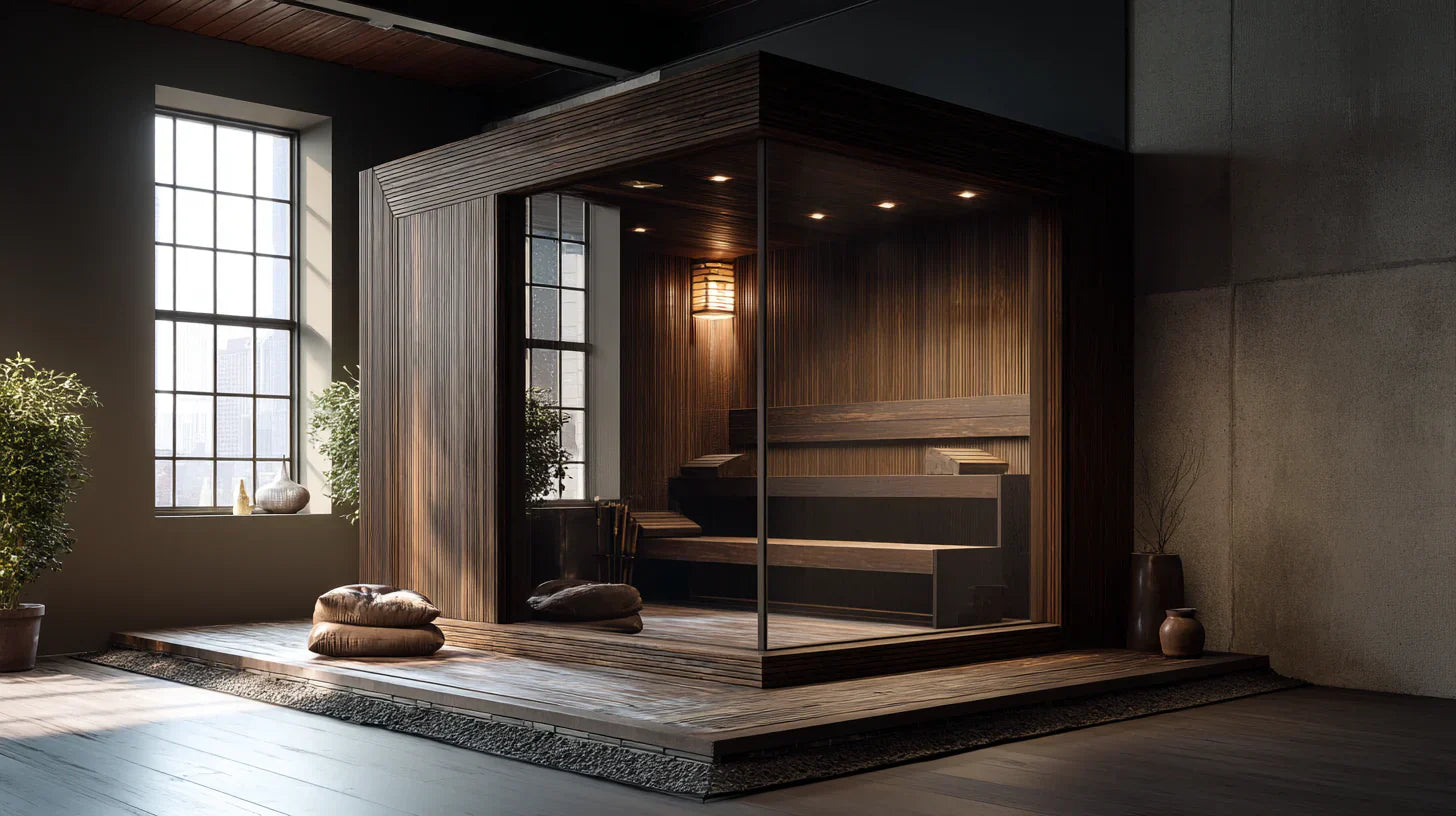
How Much Does a Sauna Cost? Real Prices for Every Type (2026)
Sauna prices range from under $1,500 to well over $50,000 depending on type, size, installation, and whether you're building permanent or portable. Most buyers land somewhere in the $1,500–$10,000 range once all costs are factored in.
This guide breaks down real prices by sauna type — with actual numbers, not vague ranges — so you can make a decision with full information.
Sauna Price by Type — Quick Comparison
| Sauna Type | Unit Price | Installation | Monthly Running Cost | Setup Time |
|---|---|---|---|---|
| Portable wood-fired (e.g. Kyfe) | $1,499 | $0 | ~$5–10/month (firewood) | 15 min |
| Portable infrared | $1,500–$4,000 | $0 | $15–$25/month | 30–60 min |
| Barrel sauna (electric) | $3,000–$7,000 | $500–$2,000 | $25–$50/month | 1–2 days |
| Indoor prefab traditional | $3,500–$9,000 | $1,000–$3,000+ | $25–$50/month | 1–3 days |
| Outdoor cabin sauna | $5,000–$15,000 | $1,500–$5,000 | $25–$75/month | Multiple days |
| Custom sauna build | $10,000–$50,000+ | Included in build | Varies | Weeks |
Installation estimates reflect U.S. averages. Electrical costs, permits, and site prep vary significantly by region and municipality.
Portable Wood-Fired Sauna: $1,499–$3,000
Portable wood-fired saunas are the fastest-growing segment and represent the best value for buyers who want real traditional heat without installation costs.
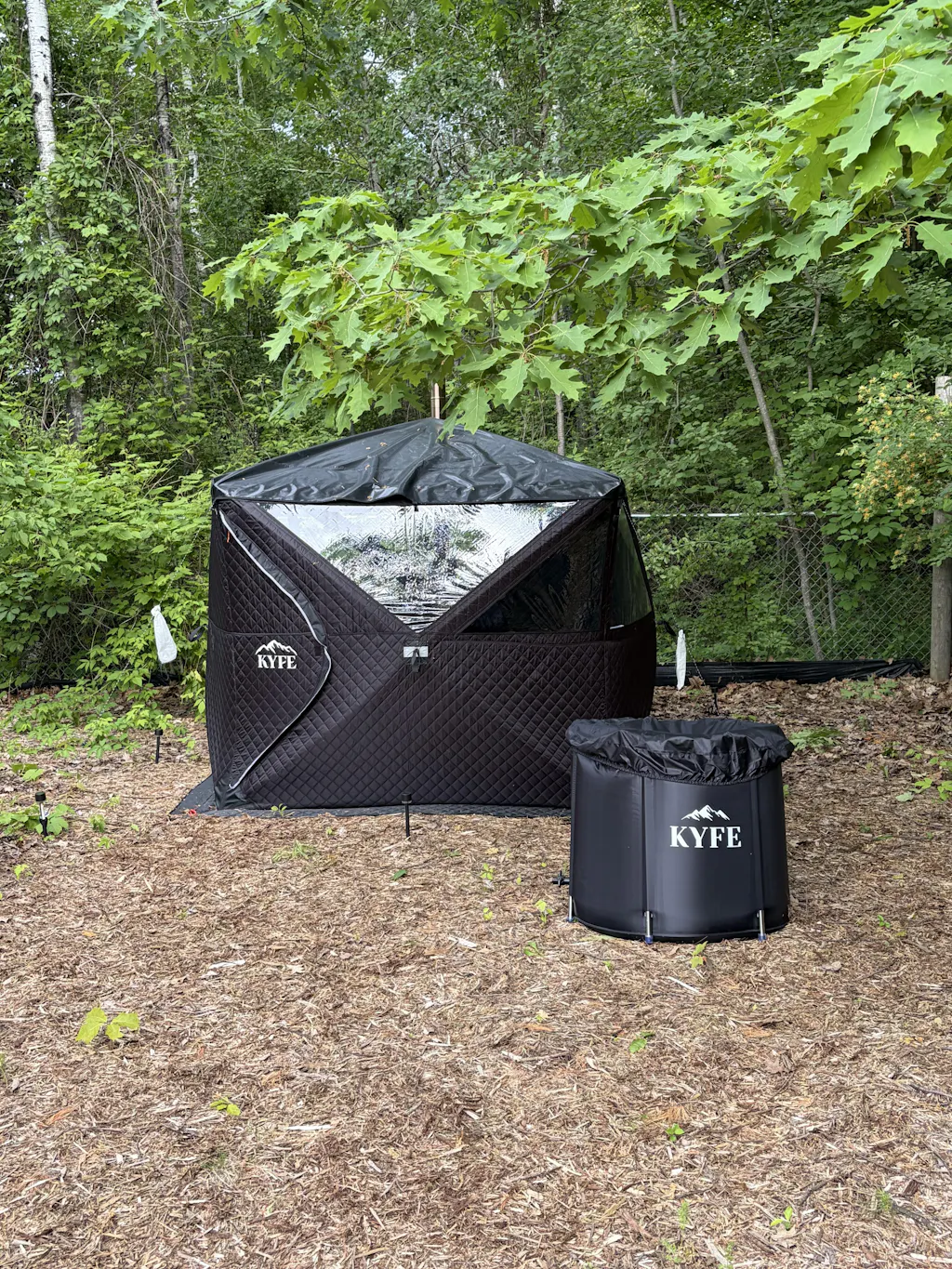
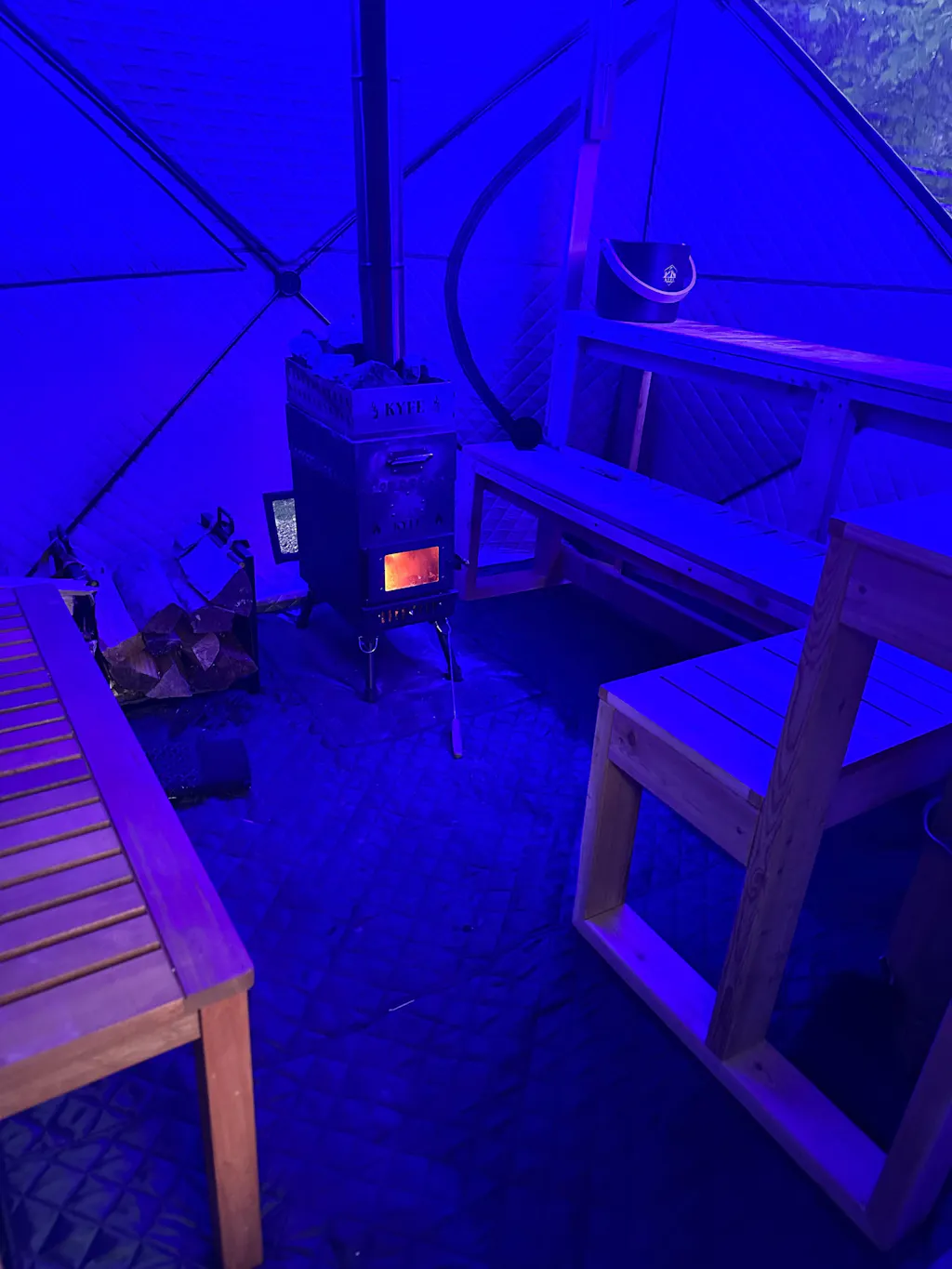
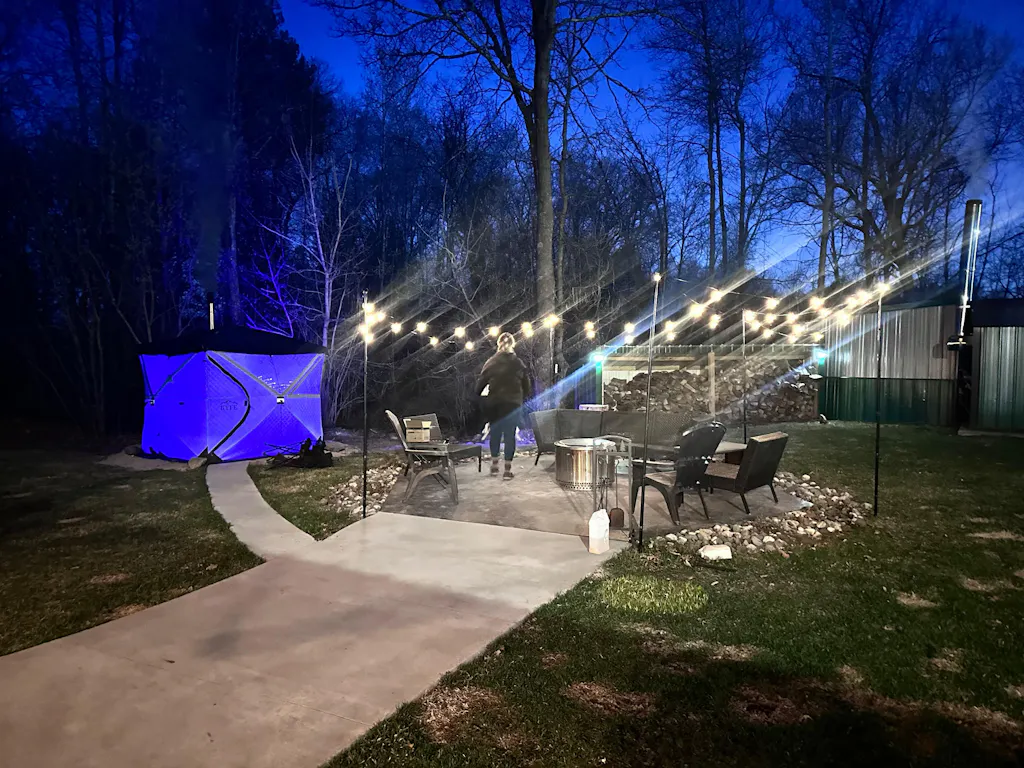
The Kyfe Portable Sauna Tent is $1,499 and includes everything: the sauna tent, wood-fired stove, rocks, rock cage, fire poker, gloves, thermometer, travel bag, and a free cold plunge. It reaches 200°F in about 30 minutes, sets up in 15 minutes, and requires no electrical work, no permit, and no installation labor.
What drives the price: Stove quality, tent material, included accessories, and whether you're getting everything in the box vs. buying components separately.
Running cost: Firewood only. If you have wood on your property, cost is near zero. If purchasing seasoned hardwood, a typical session uses a modest amount — well under $10. No electricity costs.
Who it's right for: Buyers who want high heat, zero installation cost, portability, and the traditional wood-fired experience the Finnish research is based on.
Infrared Sauna: $1,500–$10,000+
Infrared saunas heat the body directly using infrared panels rather than heating the air around you. They operate at lower temperatures (120°F–150°F vs. 180°F–200°F for traditional), warm up quickly, and use less electricity than electric models.
Entry-level ($1,500–$4,000): 1–2 person units from brands like Dynamic Saunas or Maxxus. Plug-and-play on standard 120V. No electrical work required.
Mid-range ($4,000–$7,000): Full-spectrum infrared, chromotherapy lighting, better wood construction. Brands like Finnmark Designs fall here.
Premium ($7,000–$10,000+): Larger 3–4 person cabins, near-zero EMF panels, red light therapy integration.
Running cost: $15–$25/month with daily use at average U.S. electricity rates.
Installation: None for smaller units (standard outlet). Larger models may require a 240V circuit ($200–$800 for an electrician).
Important note: Infrared saunas produce a different heat experience than traditional high-heat saunas. The sauna health research — cardiovascular benefits, heat shock protein activation, longevity data — is based on traditional 80–100°C (176–212°F) sauna, not infrared at lower temperatures. They're different products with different experiences.
Barrel Sauna: $3,000–$9,000
Barrel saunas are cylindrical outdoor structures, typically made from cedar or Nordic spruce. Most run on electric heaters. They're popular for their aesthetic, natural ventilation from the shape, and relatively fast heat retention.
Unit cost: $3,000–$7,000 for a quality 2–4 person barrel from brands like Almost Heaven, Dundalk, or Leisurecraft.
Installation: Requires a level surface, electrical hookup, and in some cases a permit. Budget $500–$2,000 for installation depending on your location and existing electrical access.
Running cost: $25–$50/month for the electric heater.
Lead time: Most ship in 2–6 weeks and require 1–2 days to assemble.
Indoor Prefab Traditional Sauna: $3,500–$12,000
Prefab indoor saunas arrive as pre-cut kits and are assembled inside an existing room — typically a basement, bathroom addition, or dedicated wellness space. They run on electric heaters and require a 240V circuit.
Unit cost: $3,500–$9,000 for quality 2–4 person units. Harvia, Finnleo, and Almost Heaven are established brands in this category.
Installation: Add $1,000–$3,000+ for electrical work, vapor barrier, ventilation, and labor depending on the complexity of your space.
Running cost: $25–$50/month at average electricity rates. Higher for larger units with frequent use.
Permit consideration: Indoor permanent sauna installations often require a permit depending on your municipality. See our guide on sauna permits for what's typically required and when.
Outdoor Cabin Sauna: $5,000–$20,000+
Outdoor cabin saunas are freestanding structures built in the backyard — larger, more permanent, and the closest home equivalent to a commercial sauna. Cedar, hemlock, and Nordic spruce are common materials.
Unit cost: $5,000–$15,000 for quality prefab cabin units. Custom builds with premium materials, glass walls, or larger capacity start much higher.
Installation: Site preparation, foundation or gravel base, electrical work, and in most cases a permit. Budget $1,500–$5,000 on top of the unit cost.
Running cost: $25–$75/month depending on size and frequency.
Timeline: Expect 4–8 weeks from order to session-ready in most cases.
Custom Sauna Builds: $10,000–$50,000+
Custom builds are designed and constructed from scratch — integrated into an existing home addition, pool house, or dedicated wellness space. Completely personalized on layout, materials, glass, and features.
Costs vary enormously. A well-executed custom 2–3 person indoor sauna using quality materials (cedar, hemlock, or spruce paneling, a quality Harvia or Huum heater, glass door, bench configuration) typically runs $10,000–$20,000 all-in including labor.
High-end custom projects with panoramic glass, multiple rooms, high-end stone, or spa integration can exceed $50,000.
Lead time: Weeks to months depending on complexity and contractor.
Hidden Costs Most Buyers Overlook
Electrical work: Any sauna running on a 240V circuit requires a licensed electrician. Budget $200–$800 for a straightforward hookup; more if your panel needs upgrading.
Foundation or site prep: Barrel and outdoor cabin saunas need a level, stable surface — gravel base, concrete pad, or deck addition. Add $300–$1,500 depending on your yard.
Permits: Permanent outdoor structures often require permits in U.S. municipalities. Portable structures (no permanent foundation) typically do not. Fees and requirements vary significantly by location.
Accessories: Sauna rocks, ladles, buckets, thermometers, benches, headrests, and a sauna hat add up if not included. Budget $100–$300 for a basic accessory kit if starting from scratch.
Ongoing maintenance: Wood saunas benefit from periodic cleaning and re-treatment of benches. Electric heaters require rock replacement every few years. These are minor costs but worth factoring in for permanent installations.
What Actually Makes One Sauna More Expensive Than Another
Heating system quality is the single biggest driver. A cheap electric heater degrades quickly. Quality Finnish heaters (Harvia, Huum, Kota) last decades.
Wood species matters for durability and experience. Nordic spruce and cedar hold up under repeated heat cycling better than cheaper alternatives. They also feel and smell different — which matters when you're using something weekly for years.
Build quality and fit determines whether your sauna lasts 5 years or 30. Prefab kits vary enormously in how well panels fit together, how well vapor barriers are sealed, and whether the stove or heater is properly sized for the space.
Portability vs. permanence. Portable units carry no installation cost and can move with you. Permanent installations require upfront investment but integrate into the property.
Sauna Cost vs. Gym Membership — The Math
If you're currently using a gym sauna, the comparison is worth running. Most gyms with sauna access charge $40–$100/month. Many — including Planet Fitness, which doesn't have a sauna at most locations — don't offer sauna access at all.
At $60/month in gym membership to access a sauna, you're spending $720/year — and using a shared space with variable cleanliness, peak-hour waits, and limited session length.
The Kyfe at $1,499 pays for itself in about 2 years vs. a sauna-access gym membership. After that, your sessions cost the price of a modest amount of firewood.
You also get: privacy, your own temperature control, no wait, no drive, and the ability to use it at any hour.
The Kyfe: $1,499, Everything Included
The Kyfe Portable Sauna Tent is a wood-fired sauna that reaches 200°F in about 30 minutes — the same temperature and heat format that Finnish longevity research is based on. It sets up in 15 minutes, requires no electrical work, and goes wherever you need it.
Every order includes:
- Sauna tent
- Wood-fired stove + rocks + rock cage
- Fire poker and gloves
- Thermometer
- Travel bag
- Free cold plunge
$1,499. Free shipping. Ships in 1–2 days. 60-day returns. HSA/FSA eligible via Truemed.
For buyers who want a private, high-heat, traditional sauna experience without installation costs, the Kyfe is the most direct path there.
Frequently Asked Questions
How much does a sauna cost for home use? A quality home sauna runs $1,499–$9,000 depending on type and whether installation is required. Portable wood-fired and infrared options start at $1,499 with no installation cost. Permanent barrel or cabin saunas add $1,000–$5,000 in installation on top of the unit price.
What's the cheapest way to get a real sauna at home? A portable wood-fired sauna like the Kyfe ($1,499) delivers full traditional heat — 200°F, real sauna rocks — with zero installation cost and no ongoing electricity expense.
How much does it cost to run a sauna per month? Infrared: $15–$25/month. Electric: $25–$50/month. Wood-fired: $5–$10/month in firewood (or near zero if you have wood on your property).
Do I need a permit for a home sauna? Portable saunas that aren't permanently attached to a structure typically don't require a permit. Permanent outdoor structures do in most U.S. municipalities. See our full guide on sauna permits for specifics.
Is a home sauna worth the cost? For regular users, yes. The health benefits of consistent sauna use — cardiovascular improvements, muscle recovery, stress reduction — are well-documented for traditional high-heat sauna. The cost per session drops quickly over time, especially compared to gym membership alternatives.
What type of sauna gives the best heat for health benefits? Traditional high-heat sauna (wood-fired or electric, 80–100°C/176–212°F) is the format the available longevity and cardiovascular research is based on. Infrared operates at lower temperatures and represents a different type of heat therapy.
Questions? Call or text +1 (828) 782-8600.
Is Sauna Or Steam Room Better for Weight Loss: The Definitive Guide
How to Work a Sauna: The Complete Guide to Heat, Steam, and Ritual